Prices verified July 2026. Every number explained in plain words.
Numbers we could not verify are flagged TODO: verify.
A cluster is several machines wired together so they can act like one bigger machine.
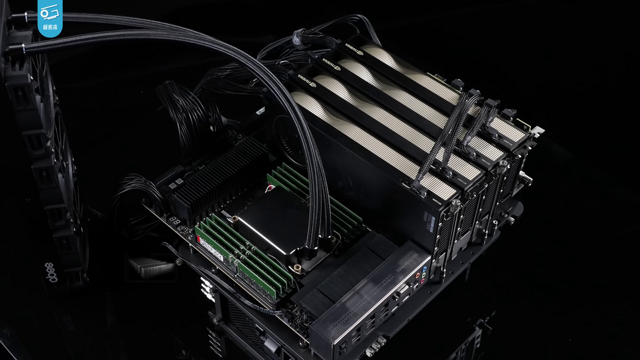
The honest part: real datacenter clustering works because NVLink and InfiniBand let GPUs share memory at enormous speed. Eight desktop cards in a closet do NOT make a datacenter — the links between them are so slow that a big model split across them runs painfully slowly. Desktop cards are for models that fit on ONE card.
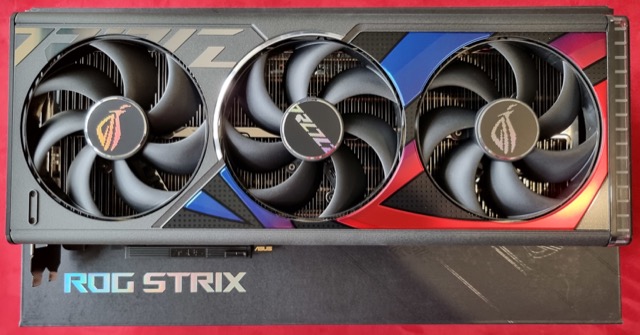
Desktop card · Core catalog
- 24 GB GDDR6X GPU memory — the workbench: the whole model must fit here
- 450 W — about 0.38 of one home's constant draw; one day (10.8 kWh) drains about 0.12 EV battery
~$1,999
TODO: verify
In plain words: The classic enthusiast card — runs models up to ~20B parameters entirely on one card.
▶ Watch video about NVIDIA RTX 4090
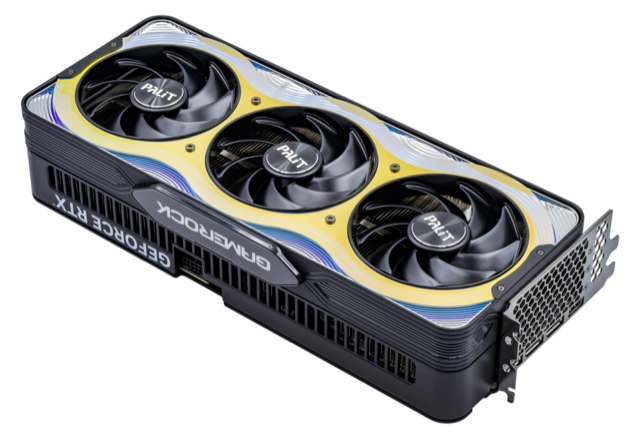
Desktop card · Core catalog
- 32 GB GDDR7 GPU memory — the workbench: the whole model must fit here
- 575 W — about 0.48 of one home's constant draw; one day (13.8 kWh) drains about 0.15 EV battery
~$2,999 market price; MSRP $1,999
In plain words: The fastest thing you can put in a normal PC — 32 GB fits ~27B-parameter models with room to spare.
▶ Watch video about NVIDIA RTX 5090
Workstation card · Core catalog
- 48 GB GDDR6 GPU memory — the workbench: the whole model must fit here
- 300 W — about 0.25 of one home's constant draw; one day (7.2 kWh) drains about 0.08 EV battery
~$6,800
In plain words: Double the memory of a gaming card at lower power — for professionals who work at a desk, not in a datacenter.
▶ Watch video about NVIDIA RTX 6000 Ada
Server card · Core catalog
- 48 GB GDDR6 GPU memory — the workbench: the whole model must fit here
- 350 W — about 0.29 of one home's constant draw; one day (8.4 kWh) drains about 0.09 EV battery
~$11,000
In plain words: A 48 GB workhorse built for racks — the budget way to serve mid-size models from a server room.
▶ Watch video about NVIDIA L40S
Datacenter GPU · Core catalog
- 141 GB HBM3e GPU memory — the workbench: the whole model must fit here
- 700 W — about 0.58 of one home's constant draw; one day (16.8 kWh) drains about 0.19 EV battery
~$35,000
In plain words: 141 GB on one chip — the sweet spot for running 100B-class models without any clustering tricks.
▶ Watch video about NVIDIA H200 SXM
Datacenter GPU · Core catalog
- 192 GB HBM3e GPU memory — the workbench: the whole model must fit here
- 1,000 W — about 0.83 of one home's constant draw; one day (24 kWh) drains about 0.27 EV battery
~$50,000
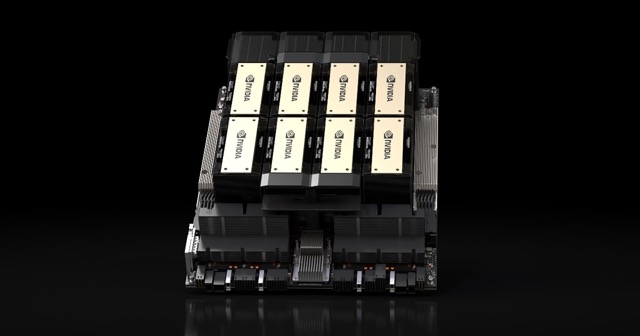
In plain words: NVIDIA's Blackwell flagship chip — 192 GB and enormous bandwidth for the biggest single-chip jobs.
▶ Watch video about NVIDIA B200
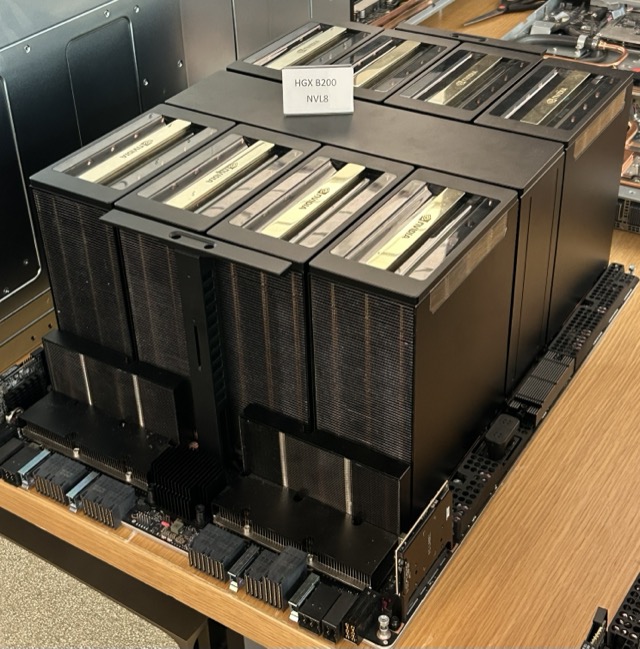
Full server (8× B200) · Core catalog
- 1,536 GB HBM3e (8× B200, pooled over NVLink) GPU memory — the workbench: the whole model must fit here
- 14,300 W — about 11.9 homes; one day (343 kWh) drains about 3.81 EV batteries
~$515,000
In plain words: One box, 1.5 terabytes of GPU memory — runs 600B–1,000B models with no clustering required.
▶ Watch video about NVIDIA DGX B200
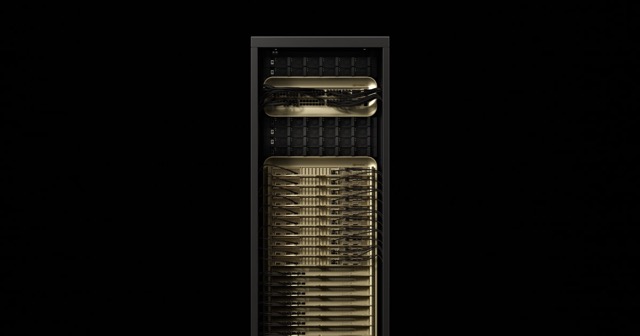
Full rack · Core catalog
- 20,000 GB HBM3e class (72 GPUs, pooled over NVLink) GPU memory — the workbench: the whole model must fit here
- 120,000 W — about 100 homes; one day (2,880 kWh) drains about 32 EV batteries
~$3,000,000
In plain words: A whole rack that behaves like one computer — for serving frontier-scale models to thousands of users at once.
▶ Watch video about NVIDIA GB300 NVL72
Datacenter GPU (previous gen) · Wider market
- 80 GB HBM2e GPU memory — the workbench: the whole model must fit here
- 400 W — about 0.33 of one home's constant draw; one day (9.6 kWh) drains about 0.11 EV battery
~$17,000
In plain words: The chip that trained the first ChatGPT era — still a capable, cheaper workhorse today.
▶ Watch video about NVIDIA A100 80GB
Datacenter GPU · Wider market
- 80 GB HBM3 GPU memory — the workbench: the whole model must fit here
- 700 W — about 0.58 of one home's constant draw; one day (16.8 kWh) drains about 0.19 EV battery
~$28,000
In plain words: The GPU of the 2023–2024 AI boom — the industry's default datacenter chip.
▶ Watch video about NVIDIA H100 SXM
Datacenter GPU · Wider market
- 192 GB HBM3 GPU memory — the workbench: the whole model must fit here
- 750 W — about 0.62 of one home's constant draw; one day (18 kWh) drains about 0.2 EV battery
~$15,000
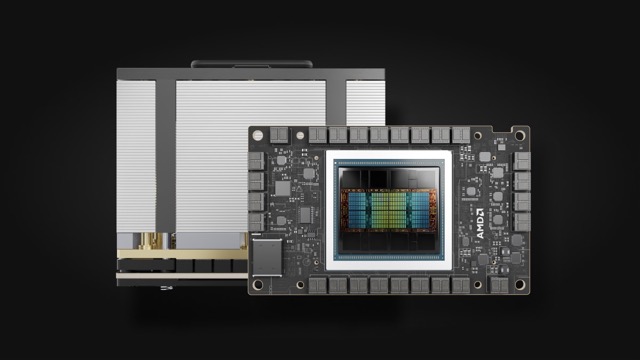
In plain words: AMD's answer to NVIDIA — more memory per dollar than an H100, if your software stack supports it.
▶ Watch video about AMD Instinct MI300X
Datacenter GPU · Wider market
- 256 GB HBM3e GPU memory — the workbench: the whole model must fit here
- 1,000 W — about 0.83 of one home's constant draw; one day (24 kWh) drains about 0.27 EV battery
~$25,000
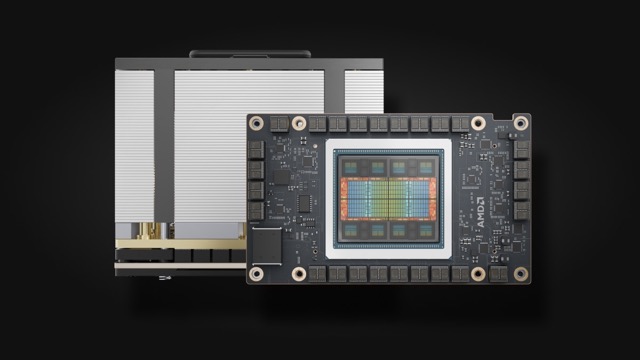
In plain words: The most GPU memory on any single chip here — 256 GB for models that won't fit anywhere else.
▶ Watch video about AMD Instinct MI325X
Datacenter accelerator · Wider market
- 128 GB HBM2e GPU memory — the workbench: the whole model must fit here
- 900 W — about 0.75 of one home's constant draw; one day (21.6 kWh) drains about 0.24 EV battery
~$16,000
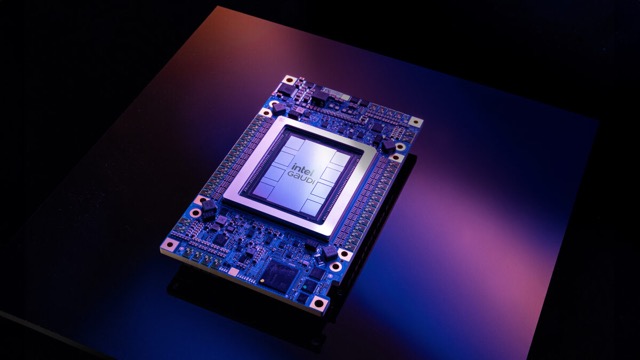
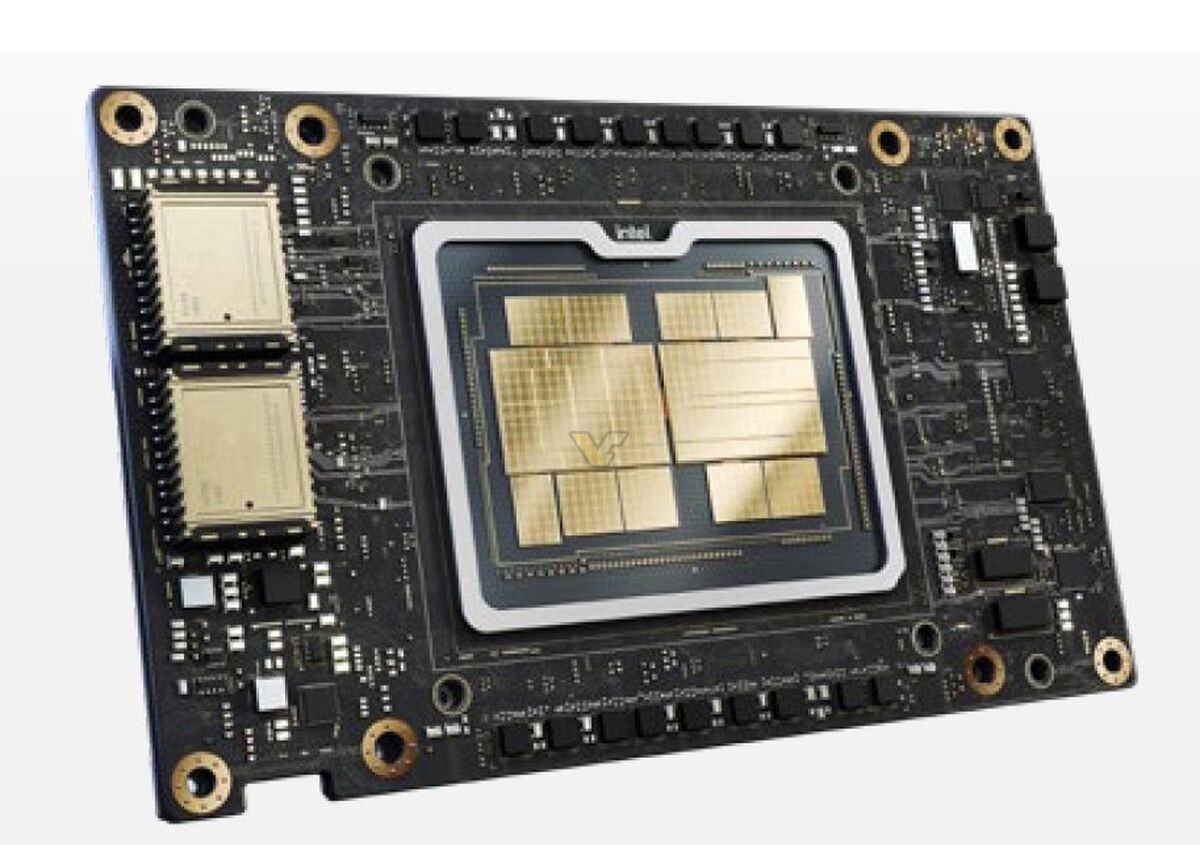
In plain words: Intel's AI accelerator — priced to undercut NVIDIA, with built-in networking for clusters.
▶ Watch video about Intel Gaudi 3
Workstation card · Wider market
- 48 GB GDDR6 GPU memory — the workbench: the whole model must fit here
- 295 W — about 0.25 of one home's constant draw; one day (7.08 kWh) drains about 0.08 EV battery
~$3,500
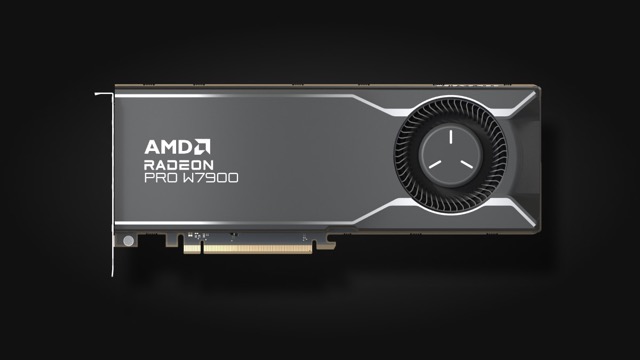
In plain words: 48 GB of workstation memory at half the NVIDIA price — the value pick for desk-side AI work.
▶ Watch video about AMD Radeon PRO W7900
Accelerator card · Wider market
- 24 GB GDDR6 GPU memory — the workbench: the whole model must fit here
- 300 W — about 0.25 of one home's constant draw; one day (7.2 kWh) drains about 0.08 EV battery
~$1,400
In plain words: The open-hardware challenger from Jim Keller's team — cheap, hackable, RISC-V based.
▶ Watch video about Tenstorrent Wormhole n300
Desktop card · Wider market
- 16 GB GDDR7 GPU memory — the workbench: the whole model must fit here
- 360 W — about 0.3 of one home's constant draw; one day (8.64 kWh) drains about 0.1 EV battery
~$1,199 (MSRP $999)
TODO: verify
In plain words: The affordable Blackwell gaming card — 16 GB runs ~13B-parameter models; the easy way into local AI.
▶ Watch video about NVIDIA RTX 5080
Workstation card · Wider market
- 96 GB GDDR7 ECC GPU memory — the workbench: the whole model must fit here
- 600 W — about 0.5 of one home's constant draw; one day (14.4 kWh) drains about 0.16 EV battery
~$8,500
TODO: verify
In plain words: 96 GB in a tower under your desk — runs 70B-class models locally without a server room.
▶ Watch video about NVIDIA RTX PRO 6000 Blackwell
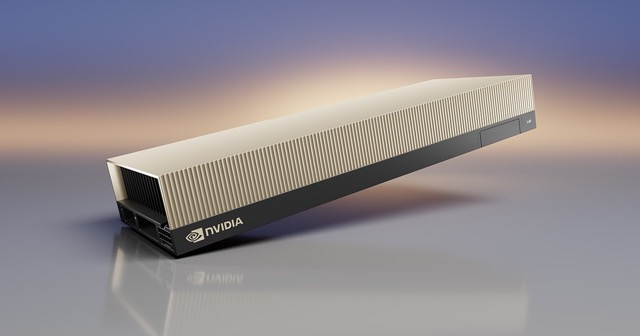
Desktop AI computer · Wider market
- 128 GB LPDDR5X (unified) GPU memory — the workbench: the whole model must fit here
- 200 W — about 0.17 of one home's constant draw; one day (4.8 kWh) drains about 0.05 EV battery
$3,999
TODO: verify
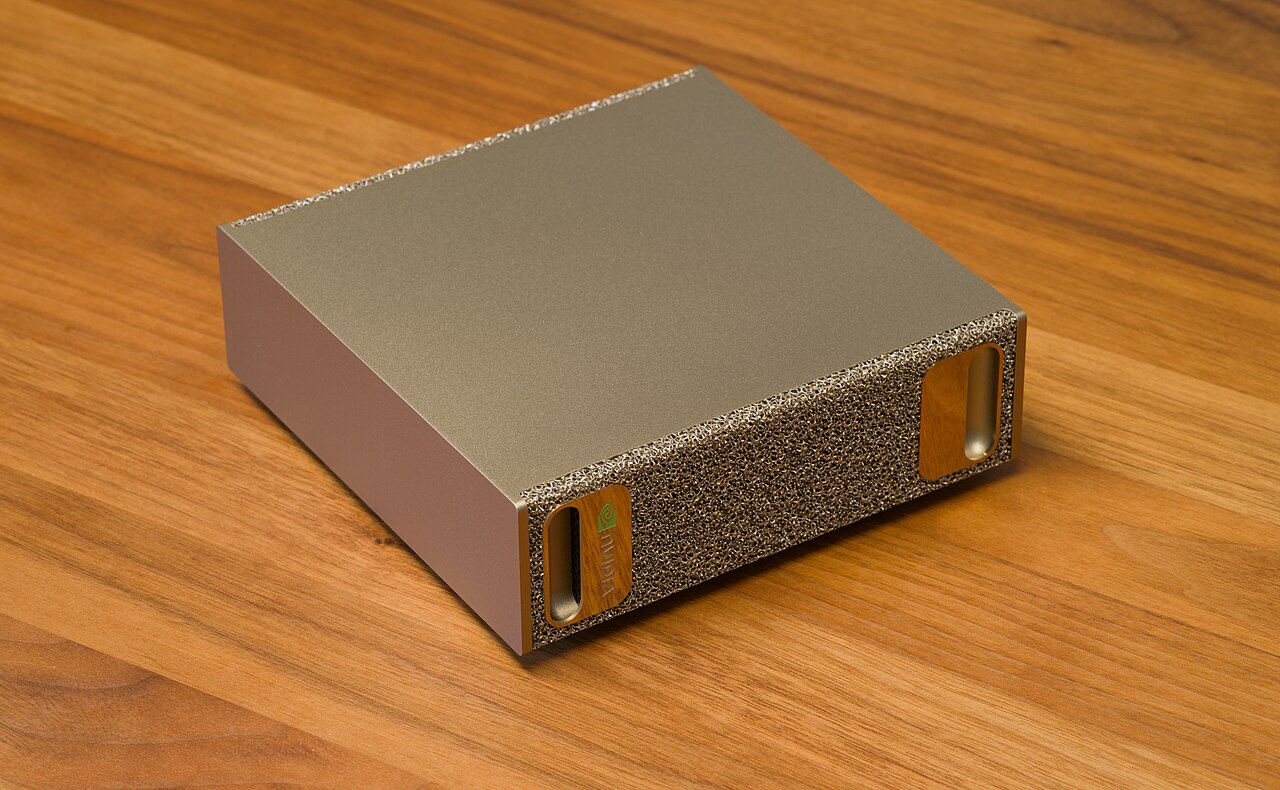
In plain words: A Grace Blackwell AI computer the size of a book — 128 GB of unified memory fits 100B-class models, though its memory is far slower than a real GPU's: for building and experimenting, not serving users.
▶ Watch video about NVIDIA DGX Spark
Server card · Wider market
- 24 GB GDDR6 GPU memory — the workbench: the whole model must fit here
- 72 W — about 0.06 of one home's constant draw; one day (1.73 kWh) drains about 0.02 EV battery
~$2,500
TODO: verify
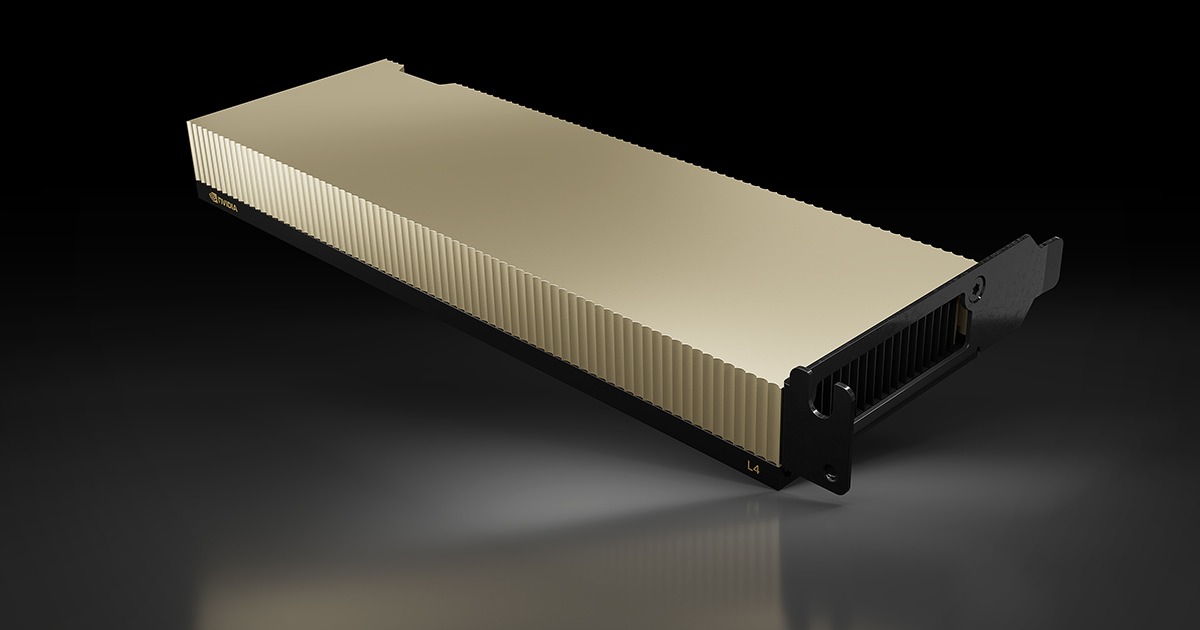
In plain words: One slot and just 72 watts — the quiet little server card for light AI work everywhere.
▶ Watch video about NVIDIA L4
Datacenter accelerator (previous gen) · Wider market
- 96 GB HBM2E GPU memory — the workbench: the whole model must fit here
- 600 W — about 0.5 of one home's constant draw; one day (14.4 kWh) drains about 0.16 EV battery
~$10,000
TODO: verify
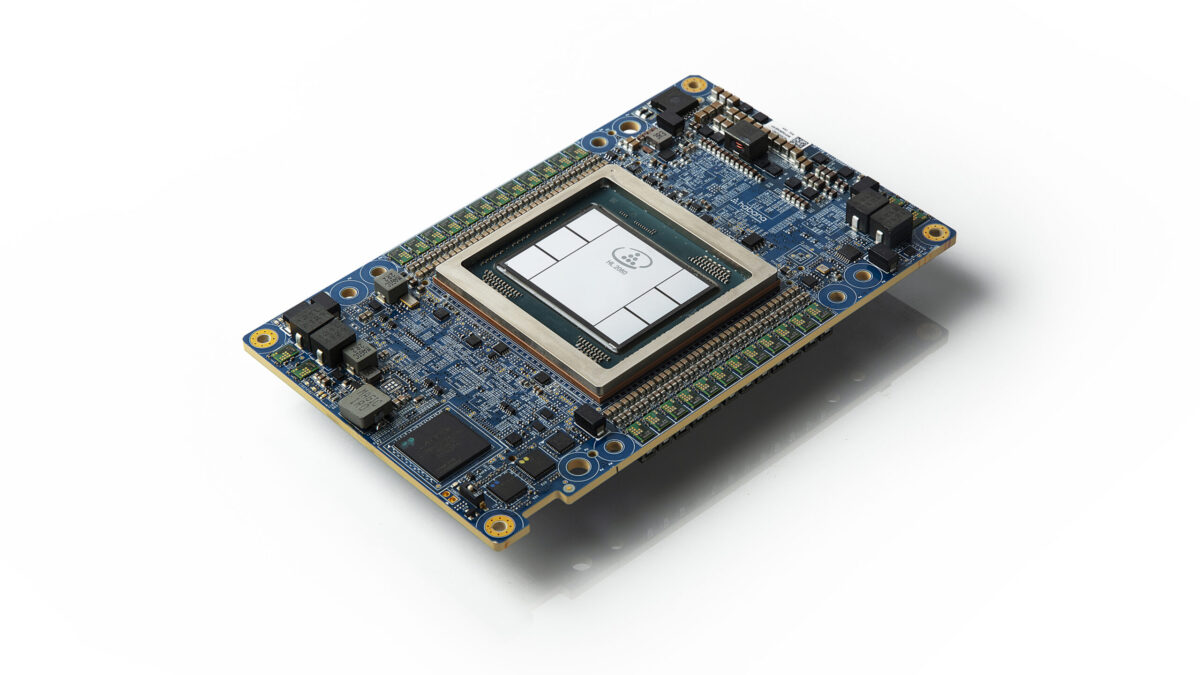
In plain words: Intel's previous-gen accelerator — 96 GB of fast HBM memory at a markdown price.
▶ Watch video about Intel Gaudi 2
Workstation card · Wider market
- 24 GB GDDR6 GPU memory — the workbench: the whole model must fit here
- 200 W — about 0.17 of one home's constant draw; one day (4.8 kWh) drains about 0.05 EV battery
~$500
TODO: verify
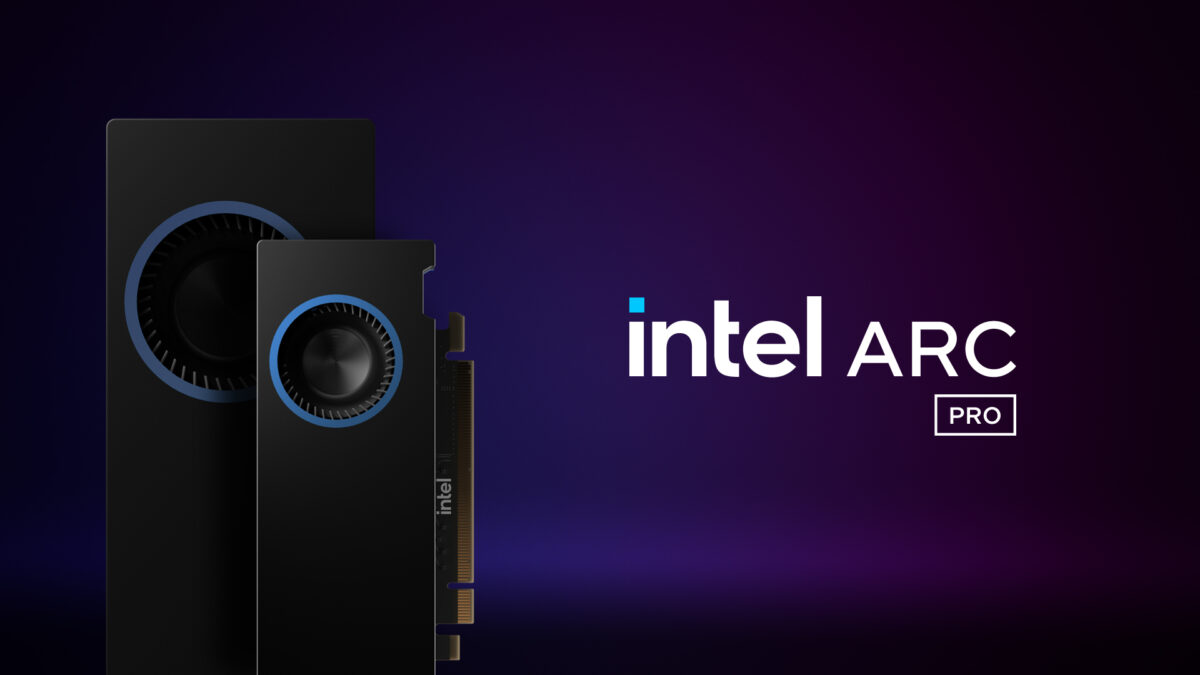
In plain words: The budget 24 GB card — the cheapest ticket to running ~13B models at your desk.
▶ Watch video about Intel Arc Pro B60
Datacenter GPU · Wider market
- 128 GB HBM2e GPU memory — the workbench: the whole model must fit here
- 600 W — about 0.5 of one home's constant draw; one day (14.4 kWh) drains about 0.16 EV battery
~$12,000
TODO: verify
In plain words: Intel's HBM flagship — 128 GB and serious bandwidth, if your software stack runs on Intel.
▶ Watch video about Intel Data Center GPU Max 1550
Accelerator card · Wider market
- 12 GB GDDR6 GPU memory — the workbench: the whole model must fit here
- 160 W — about 0.13 of one home's constant draw; one day (3.84 kWh) drains about 0.04 EV battery
~$999
TODO: verify
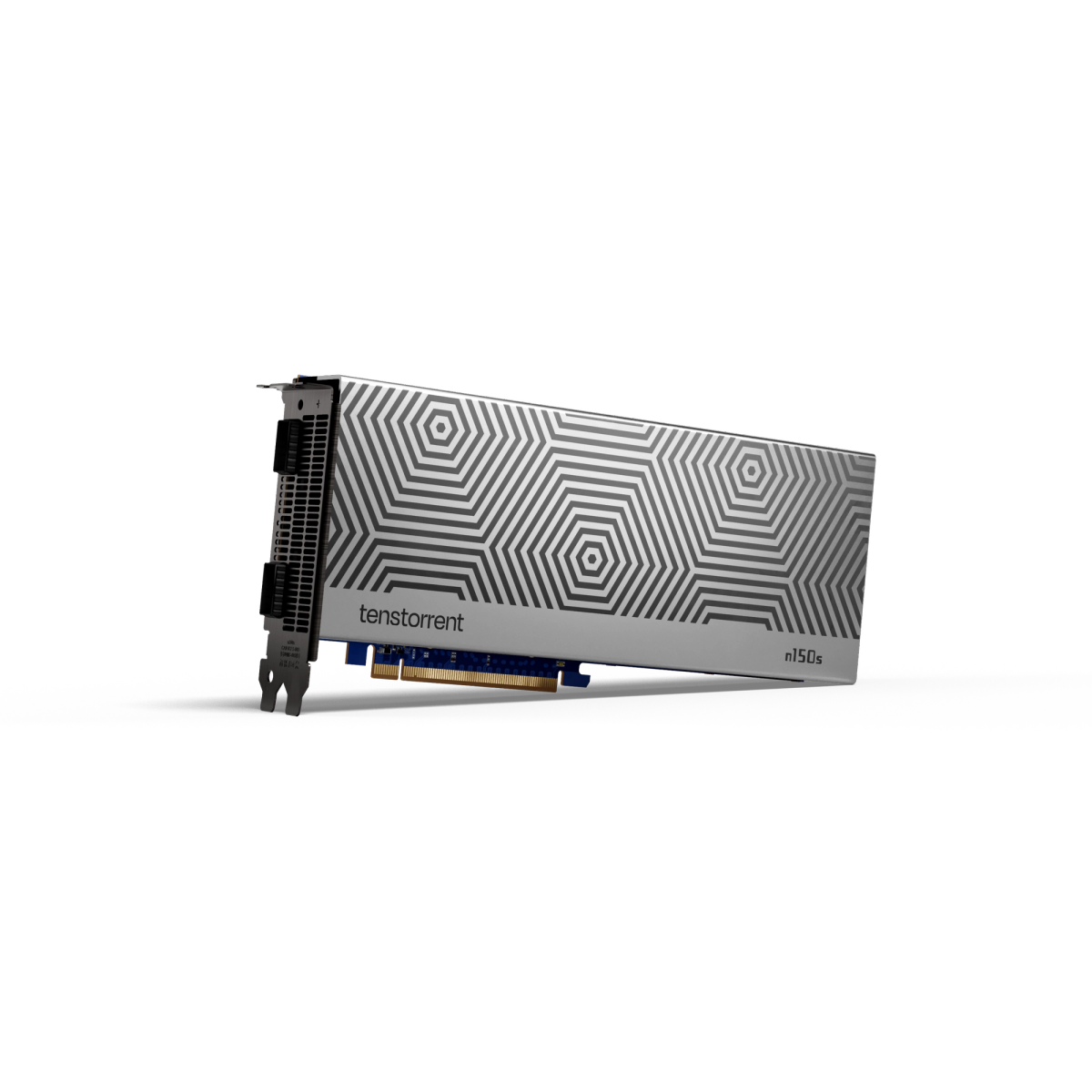
In plain words: The entry ticket to Tenstorrent's open hardware — a starter card for learning the stack, not for big models.
▶ Watch video about Tenstorrent Wormhole n150
Accelerator card · Wider market
- 32 GB GDDR6 GPU memory — the workbench: the whole model must fit here
- 300 W — about 0.25 of one home's constant draw; one day (7.2 kWh) drains about 0.08 EV battery
~$1,399
TODO: verify
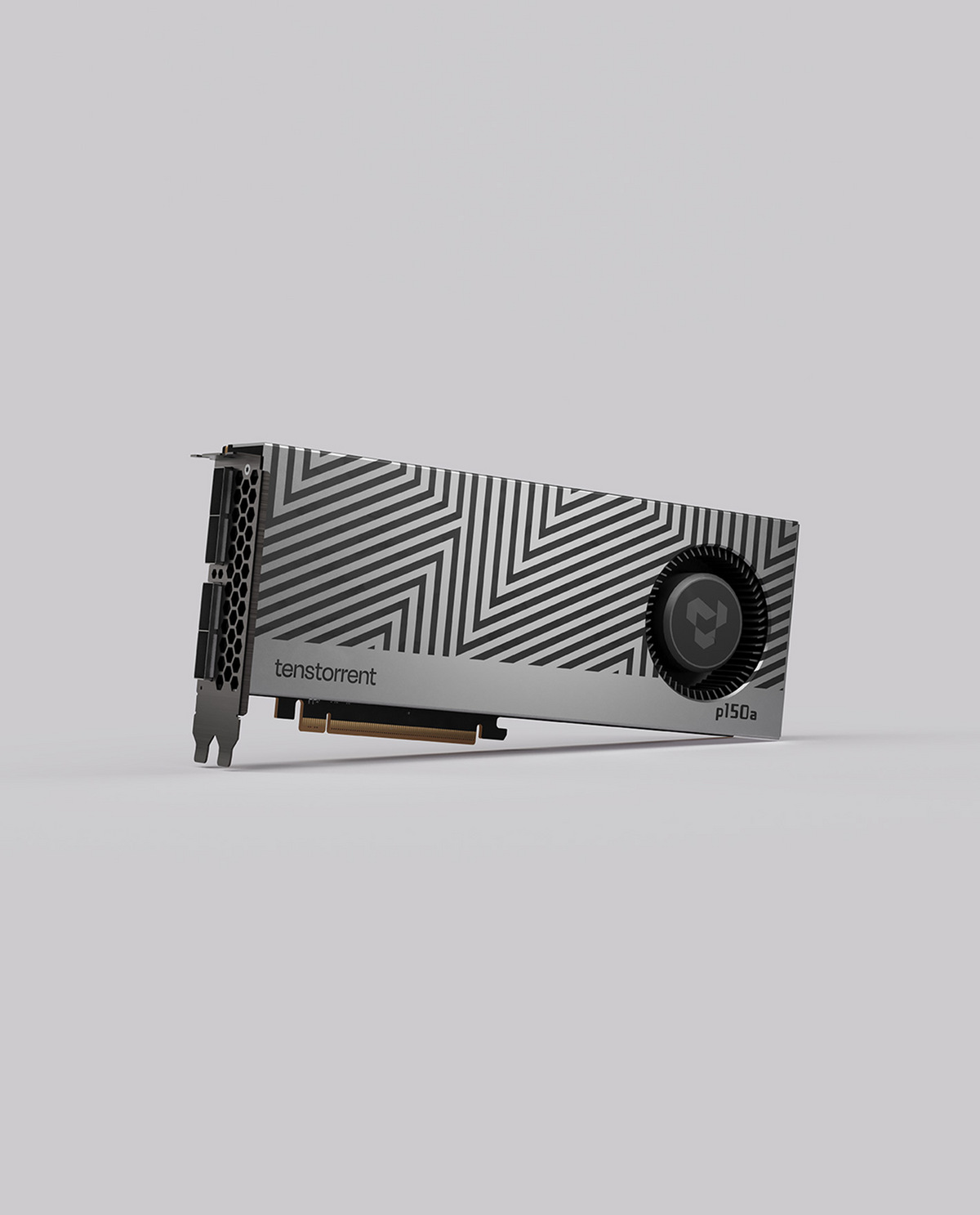
In plain words: Tenstorrent's newest generation — 32 GB for $1,399, more memory per dollar than any big-brand card here.
▶ Watch video about Tenstorrent Blackhole p150a
Desktop AI workstation · Wider market
- 128 GB GDDR6 (4× Blackhole, networked) GPU memory — the workbench: the whole model must fit here
- 1,400 W — about 1.17 home; one day (33.6 kWh) drains about 0.37 EV battery
~$12,000
TODO: verify
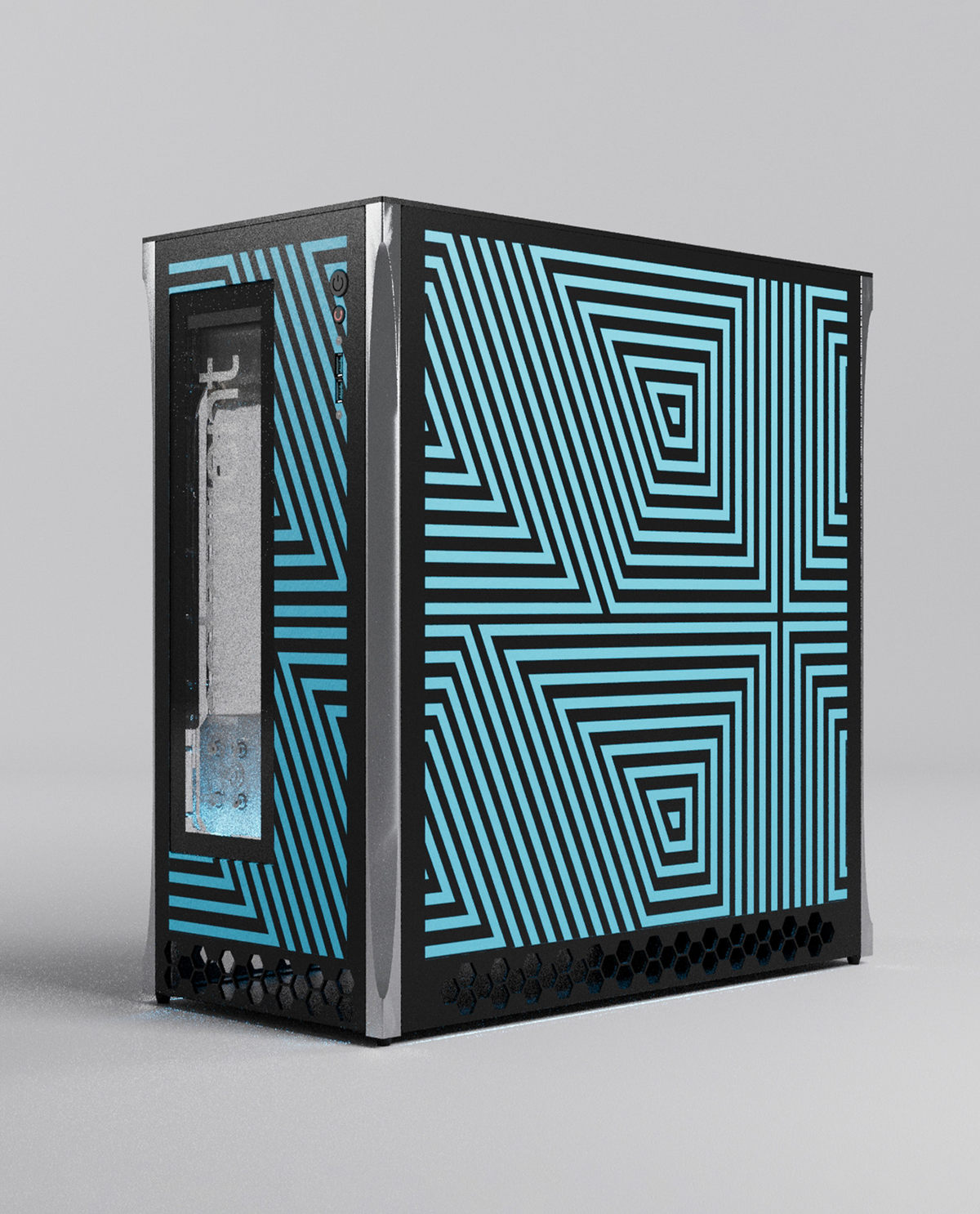
In plain words: Jim Keller's quiet desktop supercomputer — 128 GB across four open-hardware cards, no server room needed.
▶ Watch video about Tenstorrent TT-QuietBox